Prototype
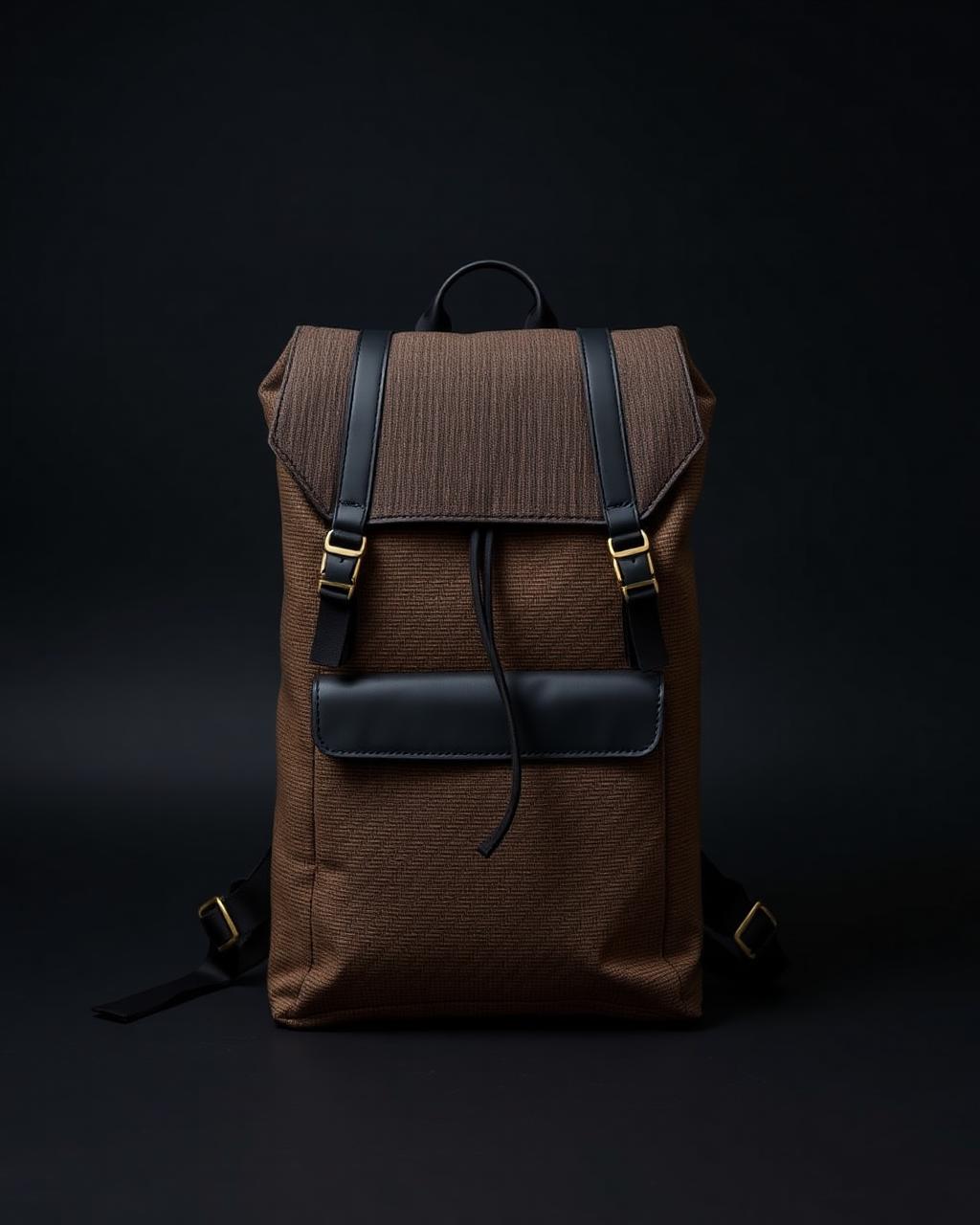
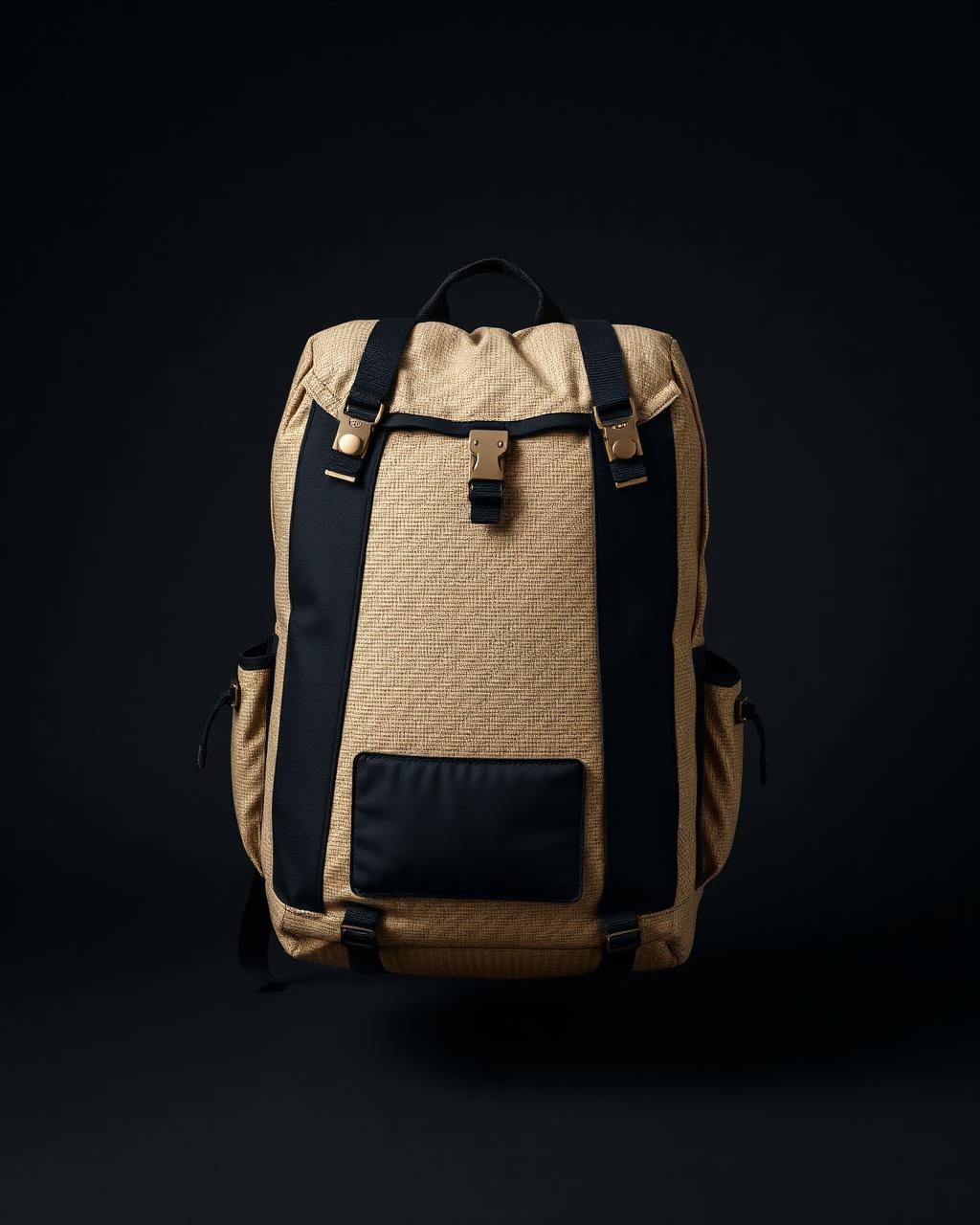
Concept · Abaca travel pack
TIBAG Pathfinder Origins 32L
Prototype · Not for sale
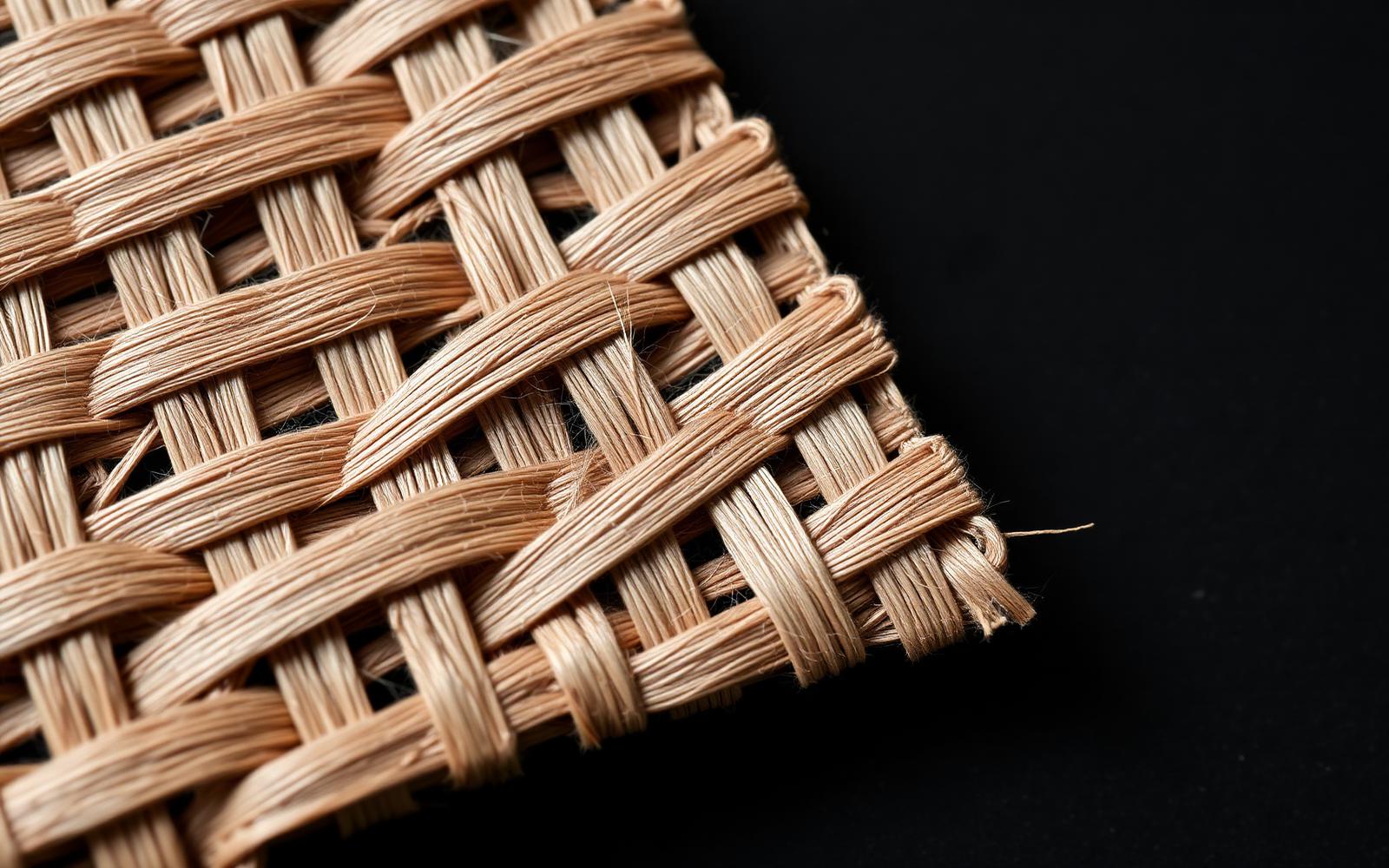
- Raw Abaca
- Charcoal Wash
Pinoy designed. Built for everywhere.
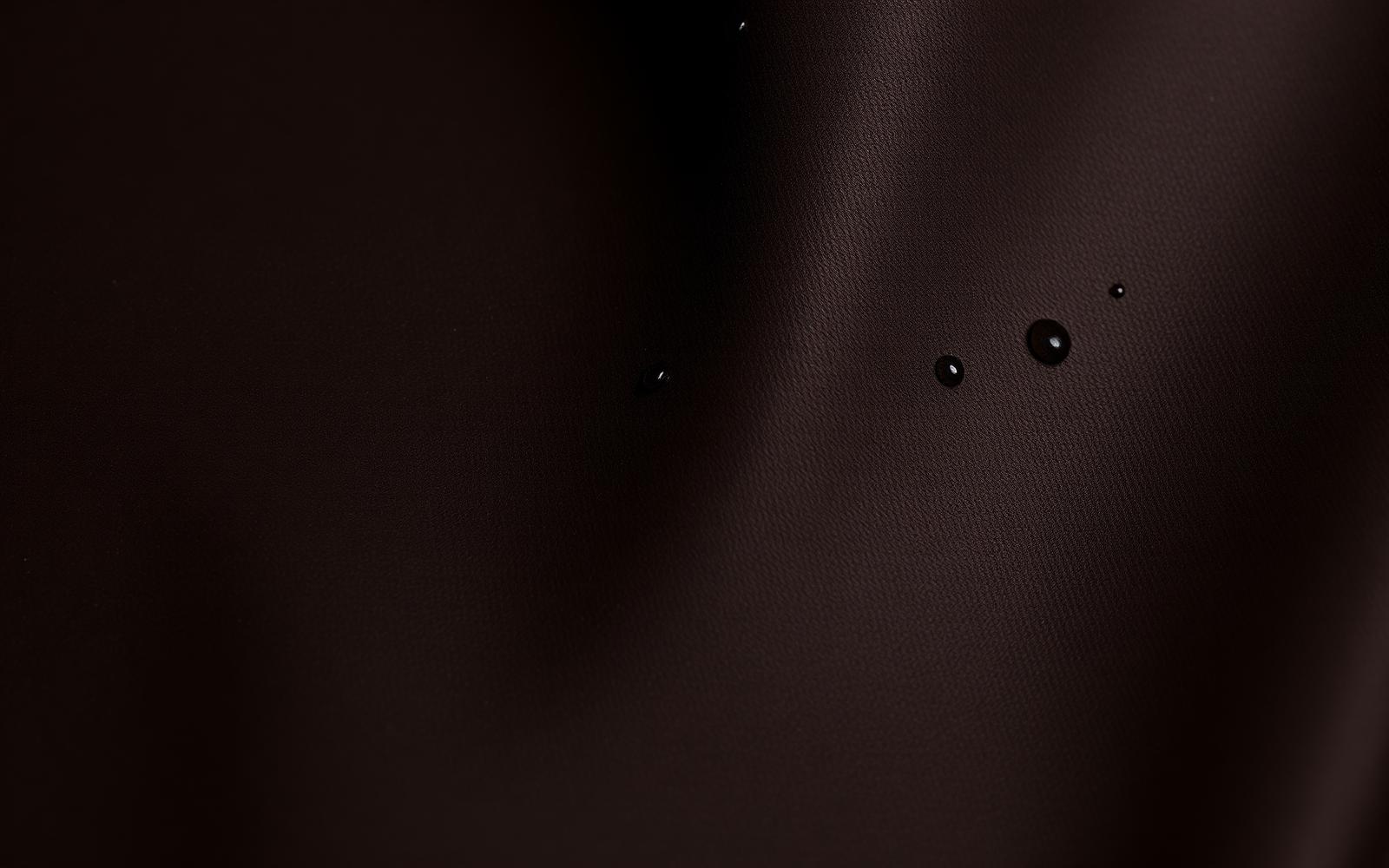
A flexible weather face that doesn't laminate on a plastic film.
Most weather-resistant carry works by bonding a polyurethane or PVC film to the back of a woven face. It works, and it turns the panel into a laminate that cannot be renewed.
Natural latex is our alternative route: a compounded coating applied to the panel face, cured flat, and — in principle — re-coatable later in the bag's life. In principle is doing real work in that sentence, which is why this sits at prototype.
Origin
Origin
Latex is tapped from rubber trees in smallholder and estate plantations, collected as field latex and concentrated before compounding.
Latex is tapped from mature rubber trees on a repeating cycle. The tree is not felled.
Southern Mindanao
Field latex is collected daily and stabilised before it can coagulate in transit.
Water is removed to raise solids content to a coatable level.
The concentrate is compounded into a coating formula tuned for a woven bast panel.
The compound is drawn across the abaca face at a controlled thickness.
Panels cure flat, then rest before cutting so the film has fully set.
Properties
Rain beads and runs off the coated face rather than soaking into the weave.
Stays soft. The panel folds and creases without the coating cracking at the fold.
Natural latex is the weak point under prolonged direct sun. This is our main open problem.
A coating can be reapplied where a bonded film cannot. We are still proving this holds outside the workshop.
Fine on body panels. Wears visibly at contact points, which we treat as expected patina.
Ratings are TIBAG's own workshop assessment on a comparative 1–5 scale. They are not laboratory measurements and are not certified.
Heavy rain
Strong
The coated face sheds sustained rain in our current spray checks.
Prolonged direct sun
Under assessment
UV ageing is the reason this material is not production ready.
Closed-car heat
Conditional
We are checking whether the coating tacks at sustained high surface temperatures.
Highland cold
Good
No stiffening observed on samples carried at elevation.
Concentration
Raises solids content so the coating cures to an even film.
Compounding
Adds fillers and stabilisers that control cure and surface finish.
Flat curing
Panels are cured flat so the coating does not pool at seams.
Against the alternative
| Attribute | Natural Latex | Conventional synthetic |
|---|---|---|
| Construction | Coating applied to the face | Film laminated to the back |
| Hand and flex | Stays soft, folds without cracking | Stiffens the panel |
| UV ageing | Under assessment — current weak point | Well understood and stable |
| Renewal | Potentially re-coatable | Delamination is terminal |
Comparative statements are qualitative and reflect our own build experience. They are not benchmark test results.
Development
Spray resistance
Sustained overhead spray on coated panels, timed to first strike-through.
No result published — this test has not finished.
Fold cycle
Repeated folding at a single crease line, checked for coating cracks.
Workshop observation: no cracking at the crease on current samples. Internal check only.
UV exposure
Panels exposed to direct tropical sun over consecutive months.
No result published — this test has not finished.
High-temperature tack
Panels held at sustained high surface temperature and checked for surface tack.
No result published — this test has not finished.
Transparency
Verified by us, first-hand.
Open questions, stated plainly.
How we will report on this.
Built with it
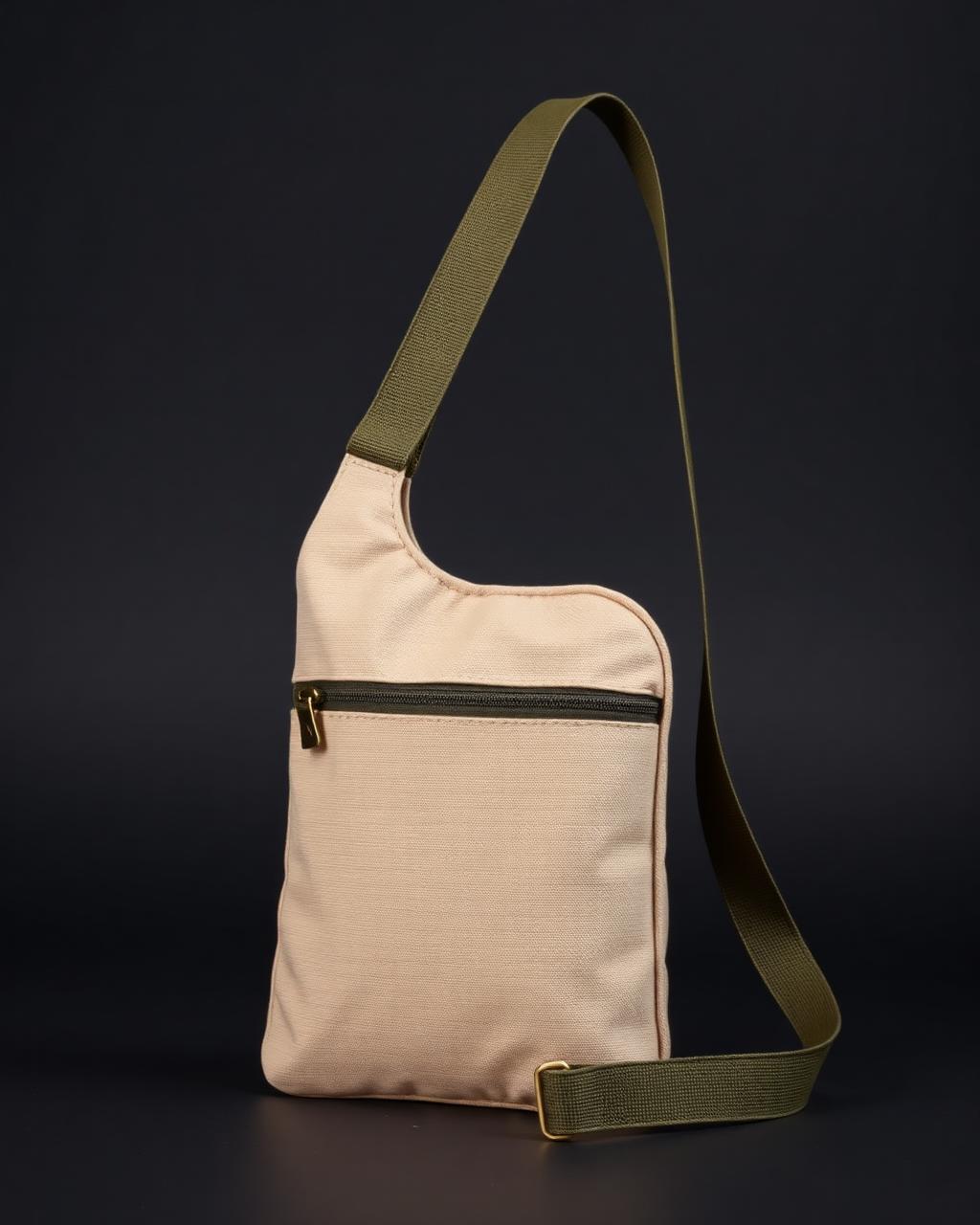
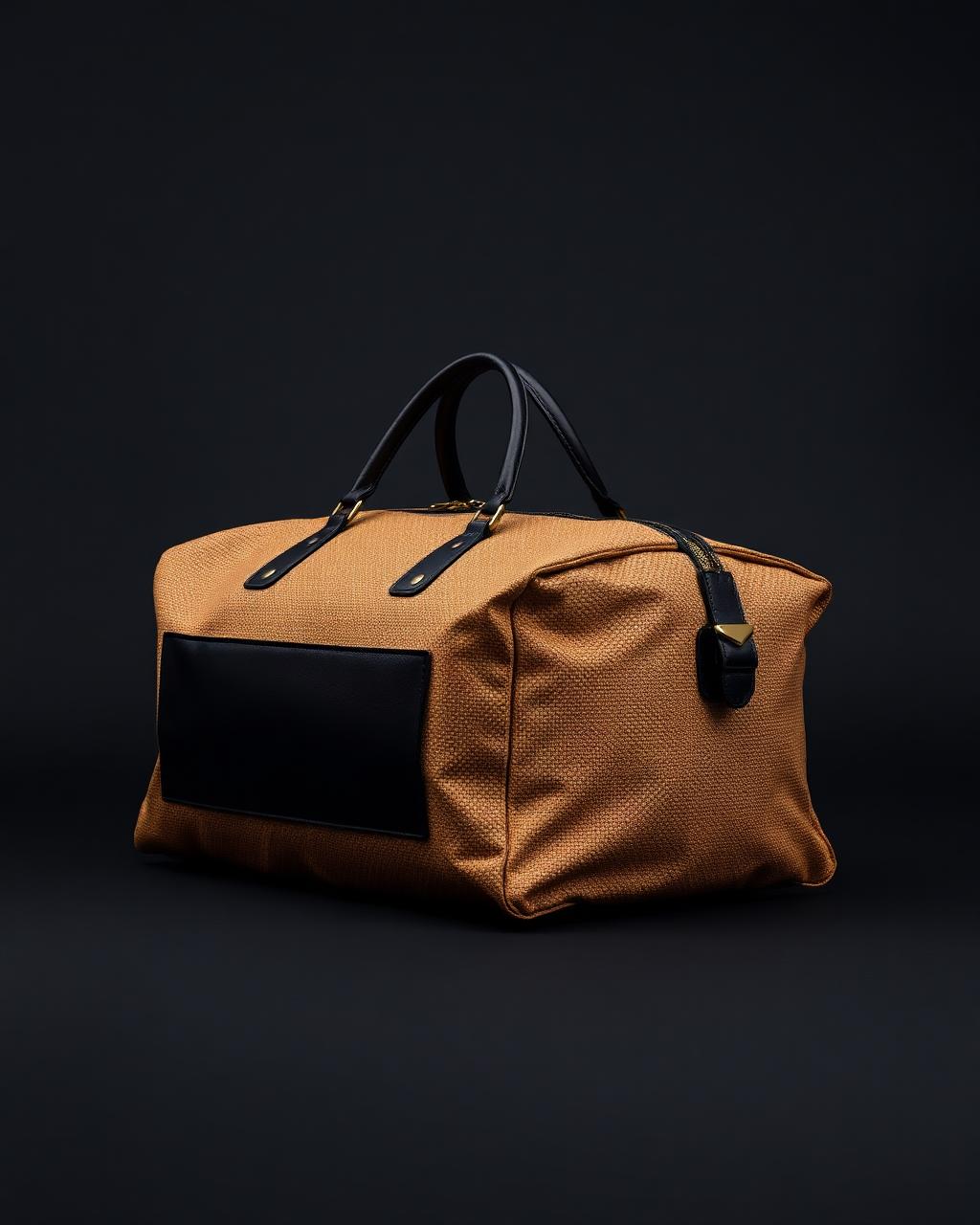
These are study pieces from the TIBAG Origins collection. None of them are for sale.
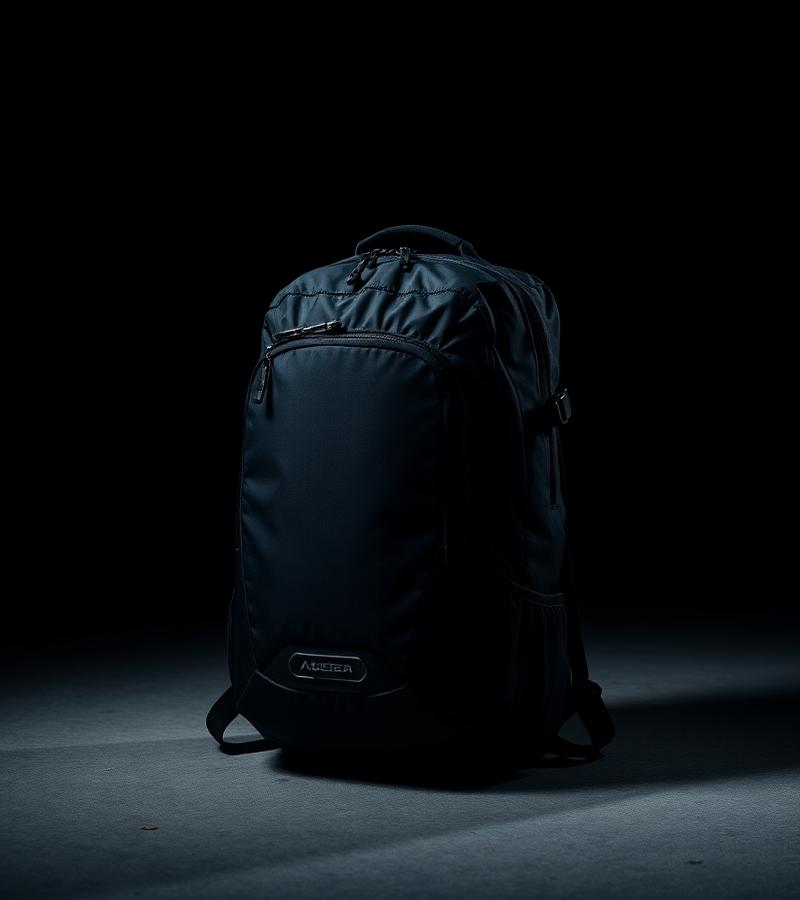
Concept · Abaca travel pack
Prototype · Not for sale