Prototype
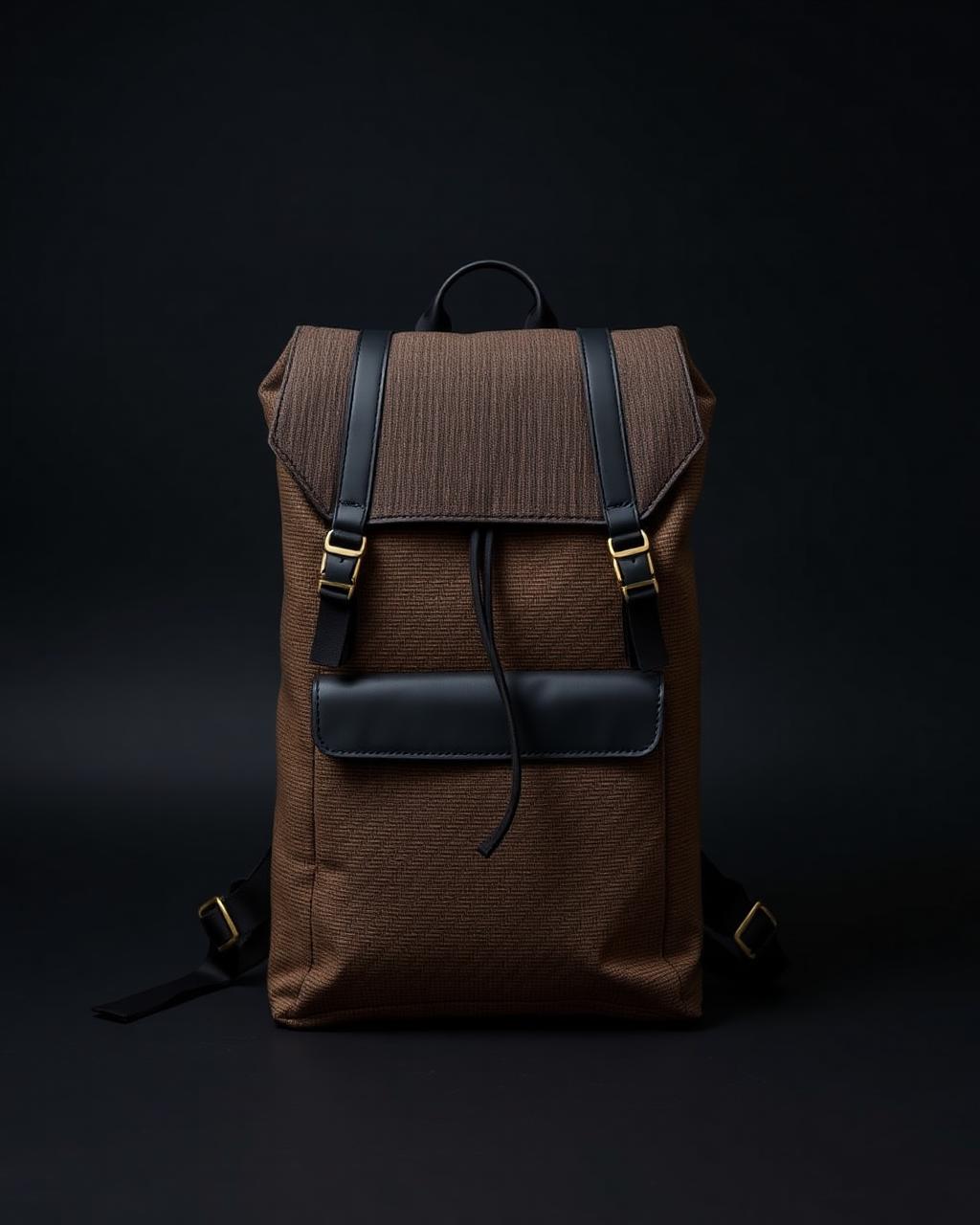
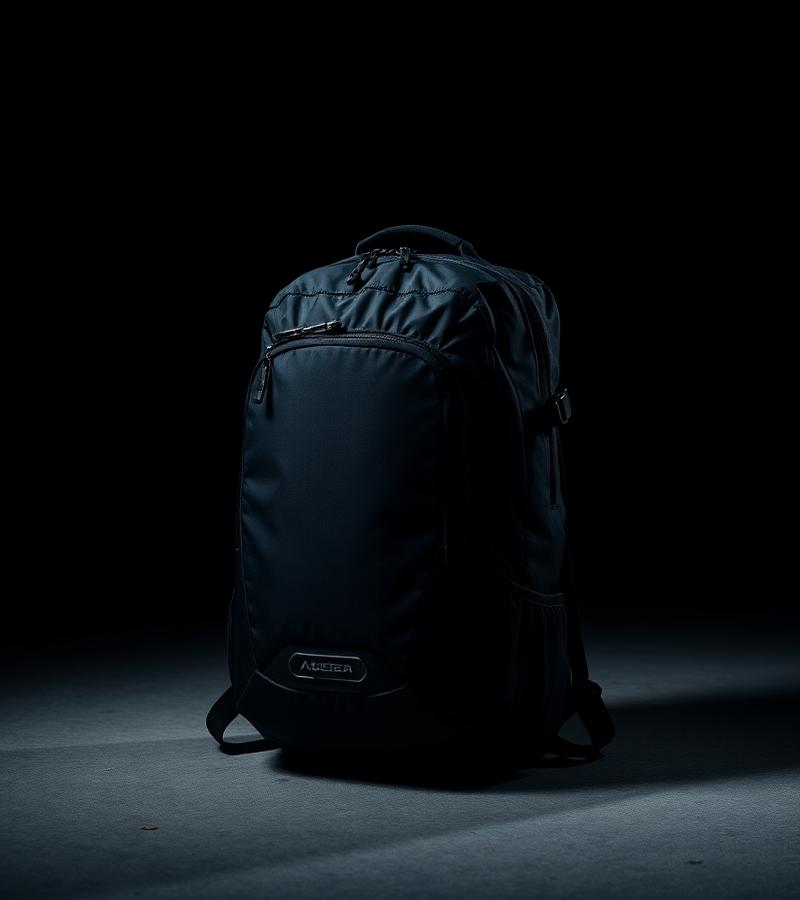
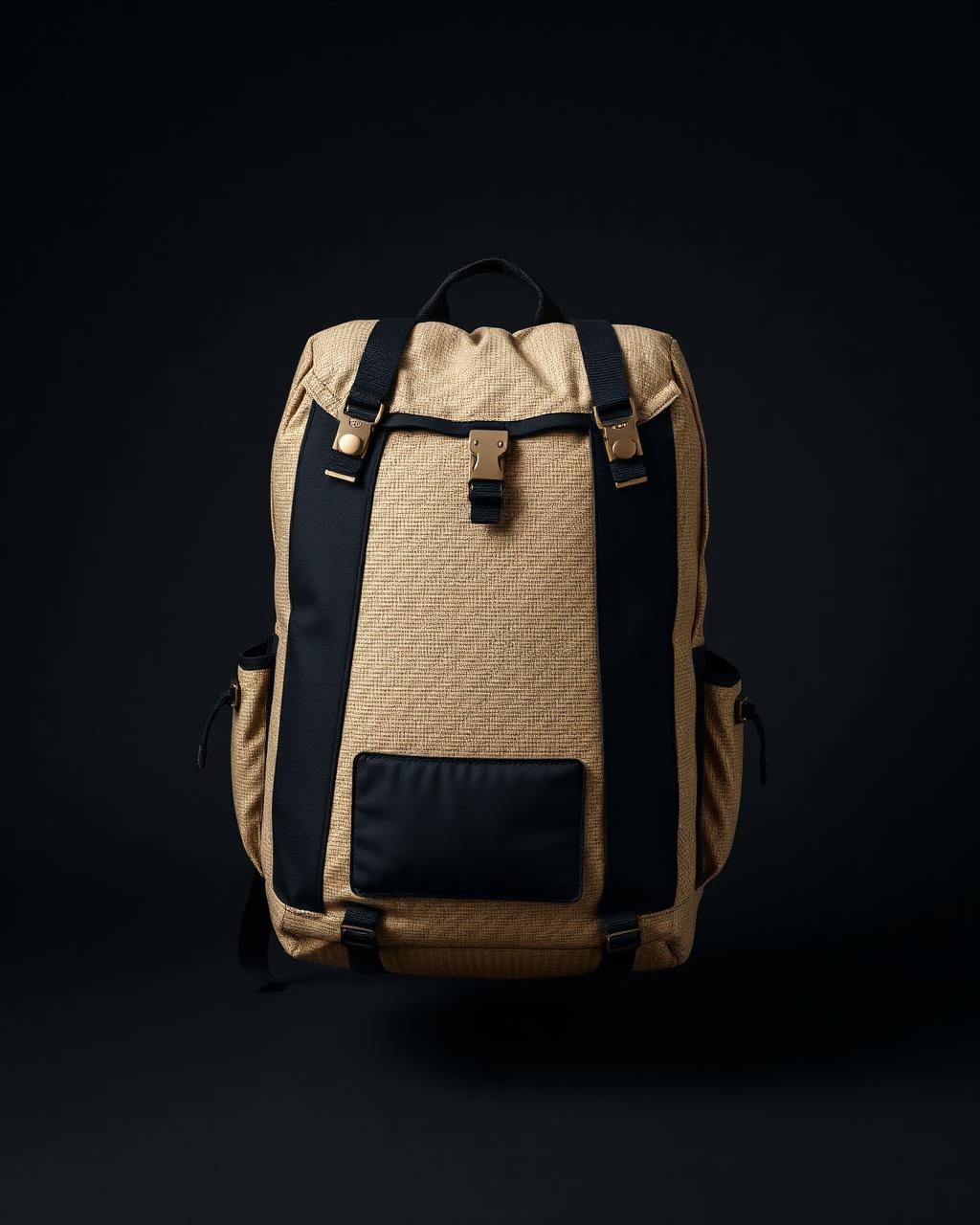
Concept · Abaca travel pack
TIBAG Pathfinder Origins 32L
Prototype · Not for sale
- Raw Abaca
- Charcoal Wash
Pinoy designed. Built for everywhere.
The strongest natural fiber the Philippines grows.
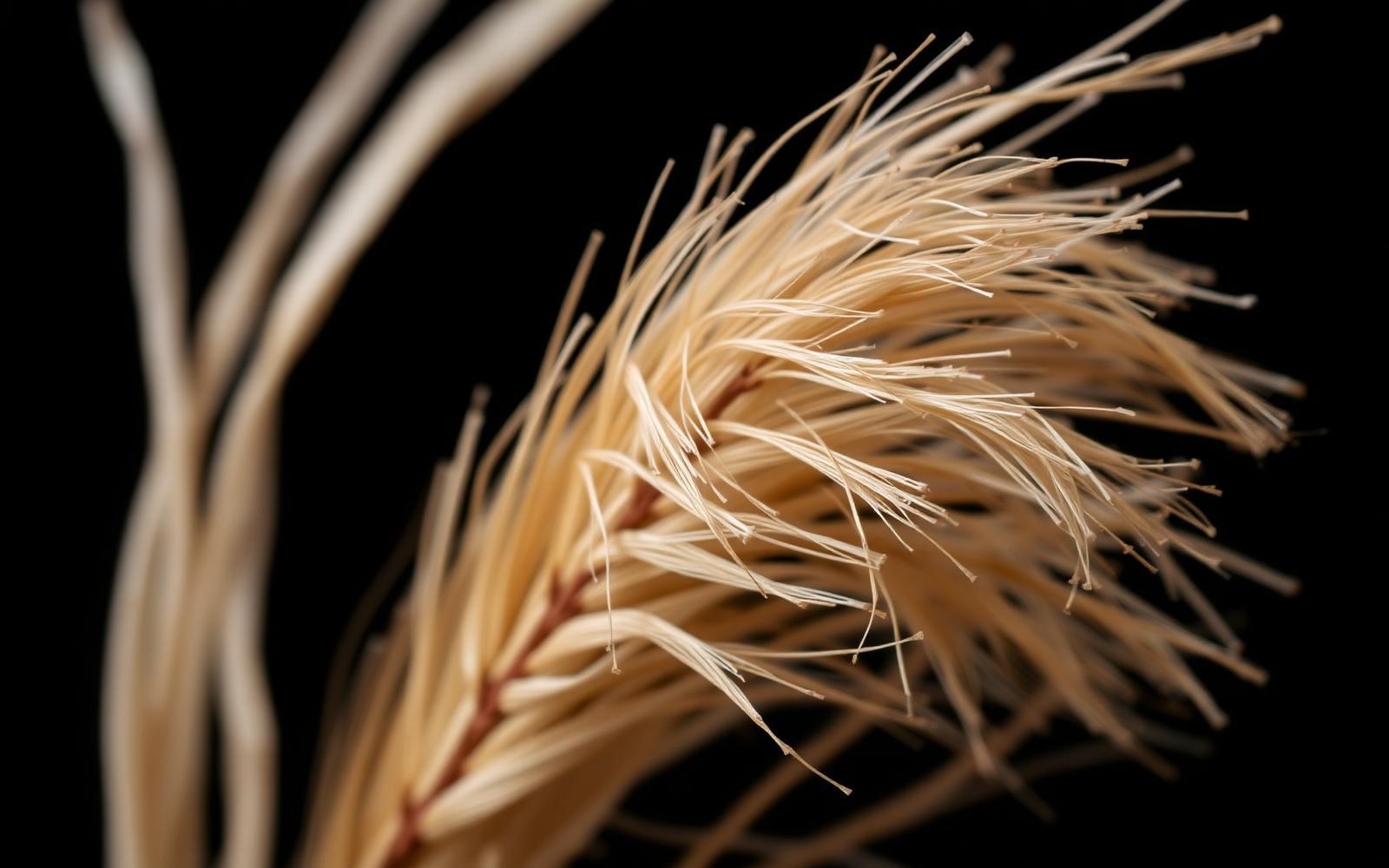
Abaca is not a decorative fiber. It was specified for marine cordage long before it was specified for bags, because its long bast strands hold tension without stretching.
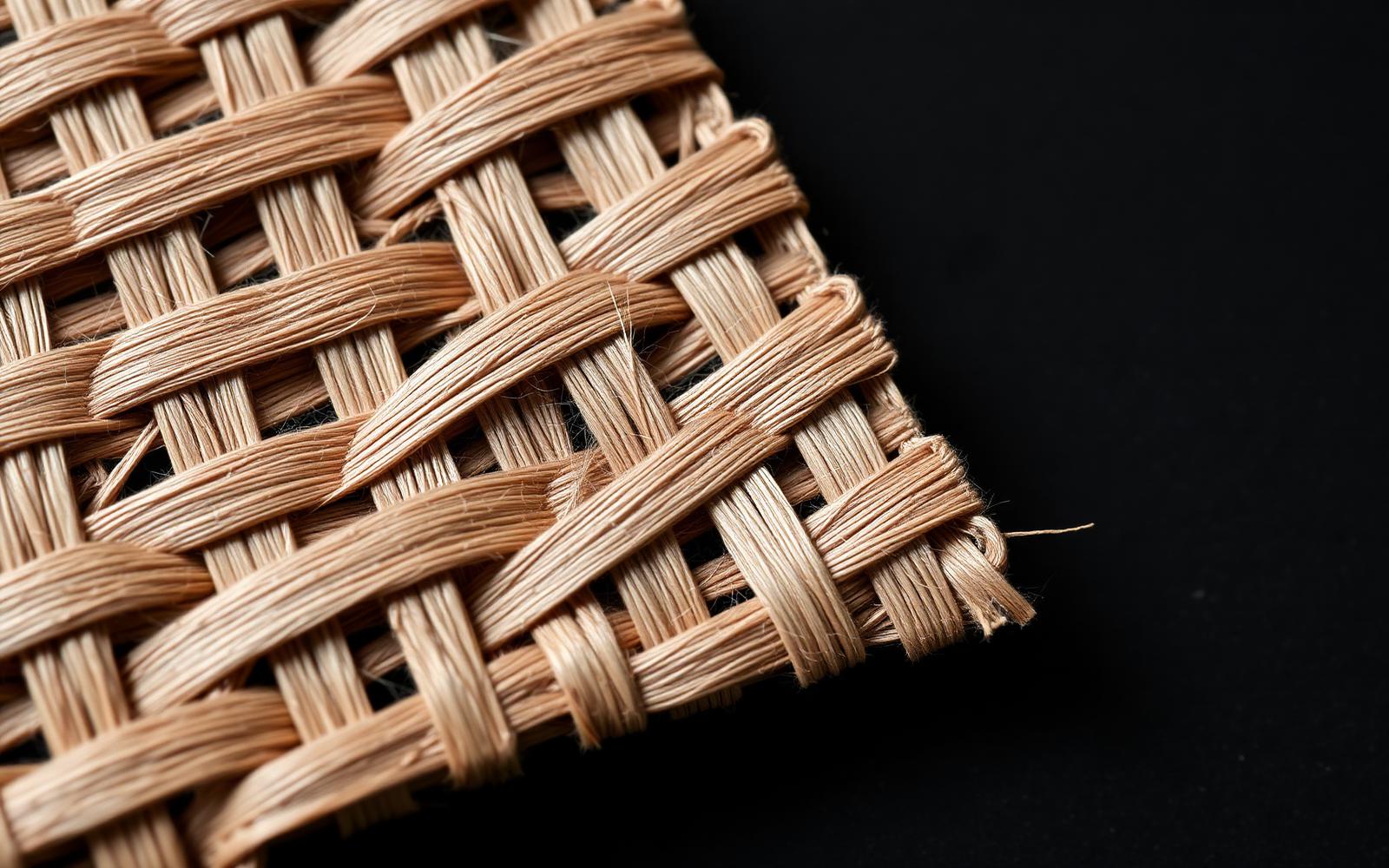
TIBAG is developing an abaca panel that behaves like a technical textile: stable under load, resistant to abrasion at the corners, and predictable when it gets wet. That last part is the hard part, and it is why this material sits at prototype rather than production.
Origin
Origin
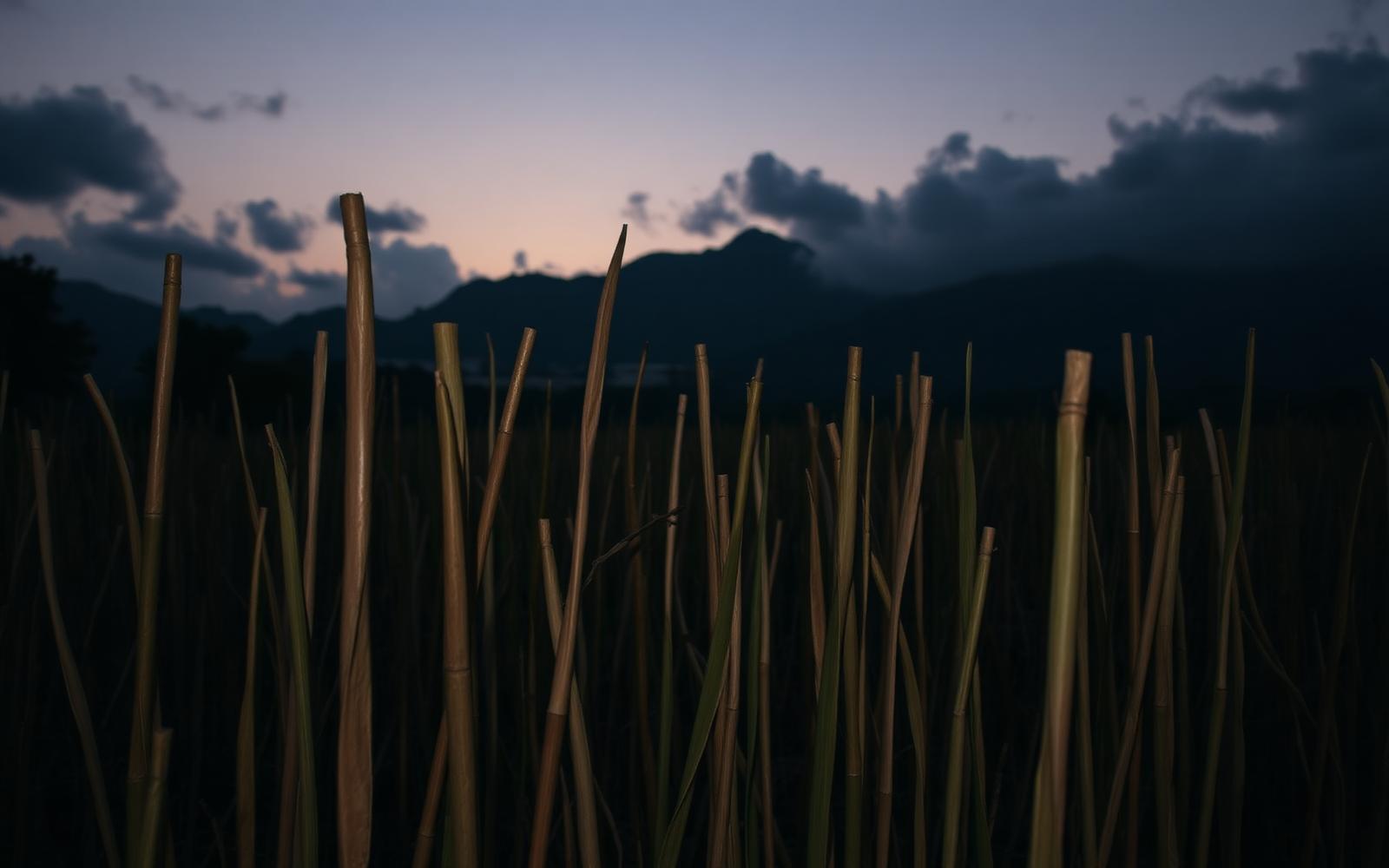
Abaca is grown in smallholder plots across these regions, usually intercropped with coconut. Fiber is stripped by hand or by spindle machine and graded before it ever reaches a mill.
Mature abaca stalks are cut by hand. The plant regenerates from the same root system, so the plot is not replanted each cycle.
Bicol and Eastern Visayas
Leaf sheaths are stripped to expose the bast fiber. Grade is decided here, by the person holding the knife.
Graded fiber is spun into a yarn consistent enough to weave at a technical density rather than a craft density.
The yarn is woven into a tight plain-weave panel. Density, not decoration, is the target.
Panels are degummed, then coated with the natural latex compound and cured flat.
Finished panels are cut, bar-tacked and paired with reinforced synthetic bases in the TIBAG workshop.
Properties
Long bast strands resist pulling. This is the property abaca has been specified for historically.
Good across flat panels. Corners and base edges need reinforcement, which is why our prototypes pair it with a synthetic base.
Holds shape without a frame sheet. A pack cut in abaca stands up on its own.
Heavier than a comparable ripstop nylon panel at equal strength.
Untreated abaca absorbs water and takes time to dry. Treatment is not optional in a Philippine climate.
Ratings are TIBAG's own workshop assessment on a comparative 1–5 scale. They are not laboratory measurements and are not certified.
Tropical sun
Good
Colour shifts slowly toward a warmer tone with long exposure. We consider this patina, not failure.
Heavy rain
Conditional
Only with the latex-based coating applied. Untreated panels wet through.
Sustained humidity
Under assessment
Mould resistance in unventilated storage is one of the open questions our current samples are answering.
Salt air
Strong
The fiber's marine-rope history is the whole reason we started here.
Controlled degumming
Removes residual plant gums so the yarn accepts coating evenly.
High-density weave
Closes the panel so water has fewer paths through the structure.
Natural latex coating
Adds a flexible water-shedding face without laminating on a plastic film.
Construction
Natural latex face
Water shedding
A thin, flexible coating applied to the outer face. Sheds rain without sealing the panel into a plastic bag.
Abaca plain weave
Structure
The load-bearing layer. Provides tensile strength and the panel's standing body.
Recycled backing scrim
Dimensional stability
A light backing that stops the weave from racking out of square under an uneven load.
Layers are listed outer face first. Bar heights are indicative of relative build-up only — they are not to scale.
Against the alternative
| Attribute | Abaca | Conventional synthetic |
|---|---|---|
| Origin | Grown and processed in the Philippines | Petroleum-derived, typically imported |
| Structure | Holds shape unsupported | Usually needs a frame sheet or foam |
| Abrasion at corners | Needs reinforcement | Strong as-is in high-denier weaves |
| Water behaviour | Depends entirely on the coating | Reliably water-shedding when coated |
| Repairability | Panels can be patched and re-coated | Patchable, coating rarely renewable |
Comparative statements are qualitative and reflect our own build experience. They are not benchmark test results.
Development
Static load hold
12 kg suspended from the shoulder yoke for 72 hours, checked for seam creep.
Workshop observation only: no visible seam creep on the second-round prototypes. This is an internal check, not a certified result.
Simulated downpour
Sustained overhead spray on coated and uncoated panels.
No result published — this test has not finished.
Base panel abrasion
Repeated dragging of a loaded pack across concrete.
No result published — this test has not finished.
Long-term humidity storage
Coated panels stored closed in unventilated conditions for 90 days.
No result published — this test has not finished.
Field testing programme
Samples carried daily by testers across Luzon, Visayas and Mindanao.
No result published — this test has not finished.
Transparency
Verified by us, first-hand.
Open questions, stated plainly.
How we will report on this.
Built with it
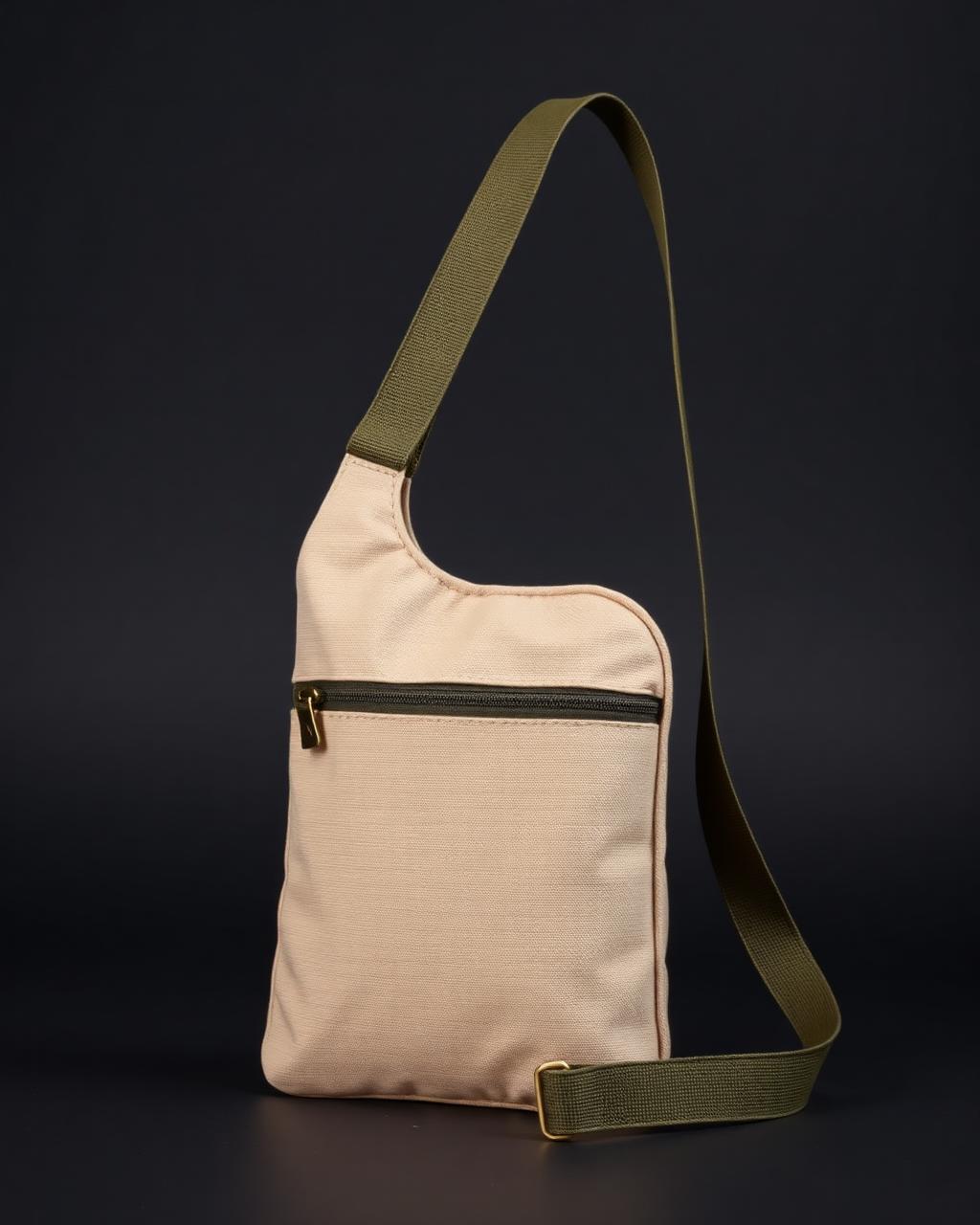
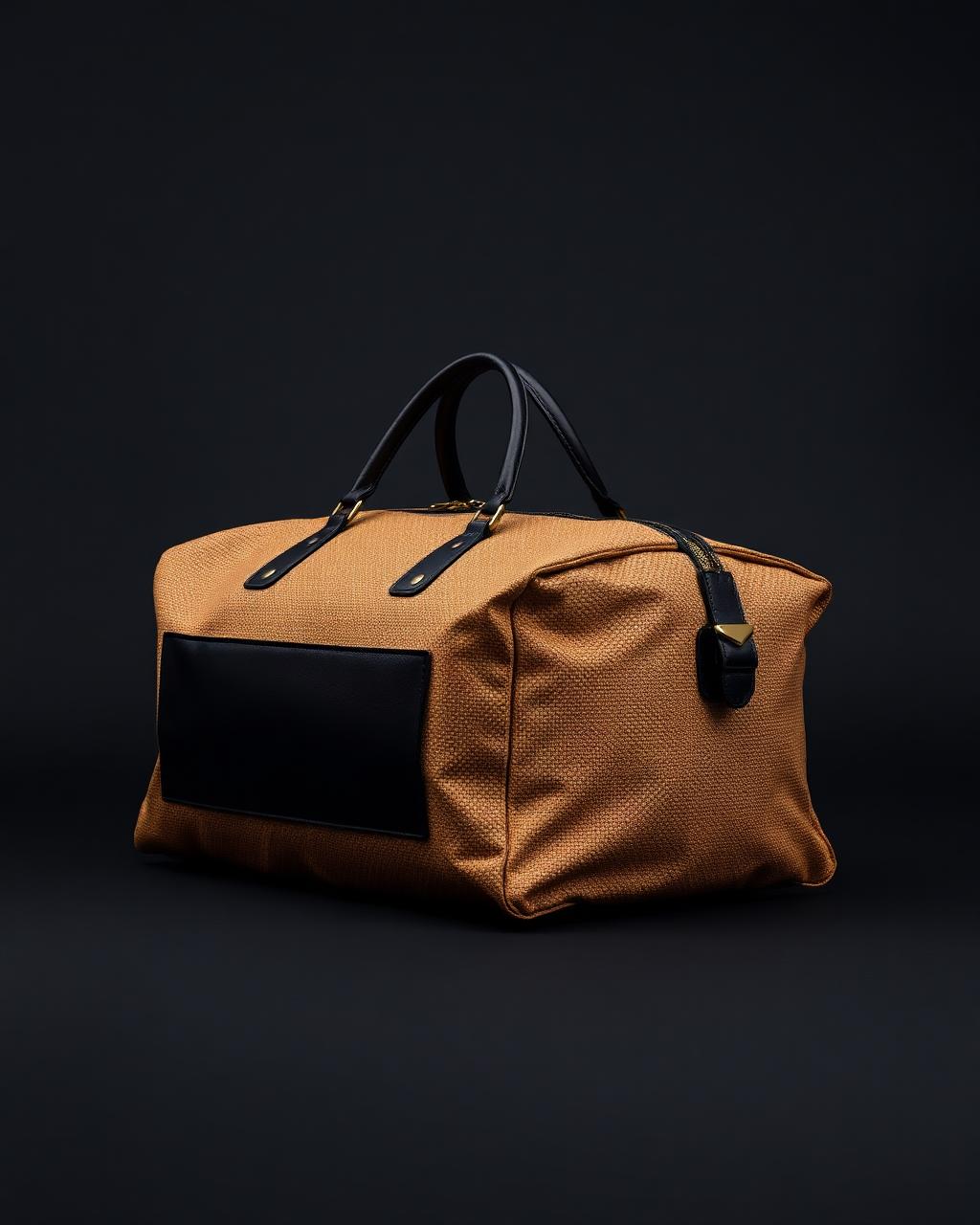
These are study pieces from the TIBAG Origins collection. None of them are for sale.
Concept · Abaca travel pack
Prototype · Not for sale