Prototype
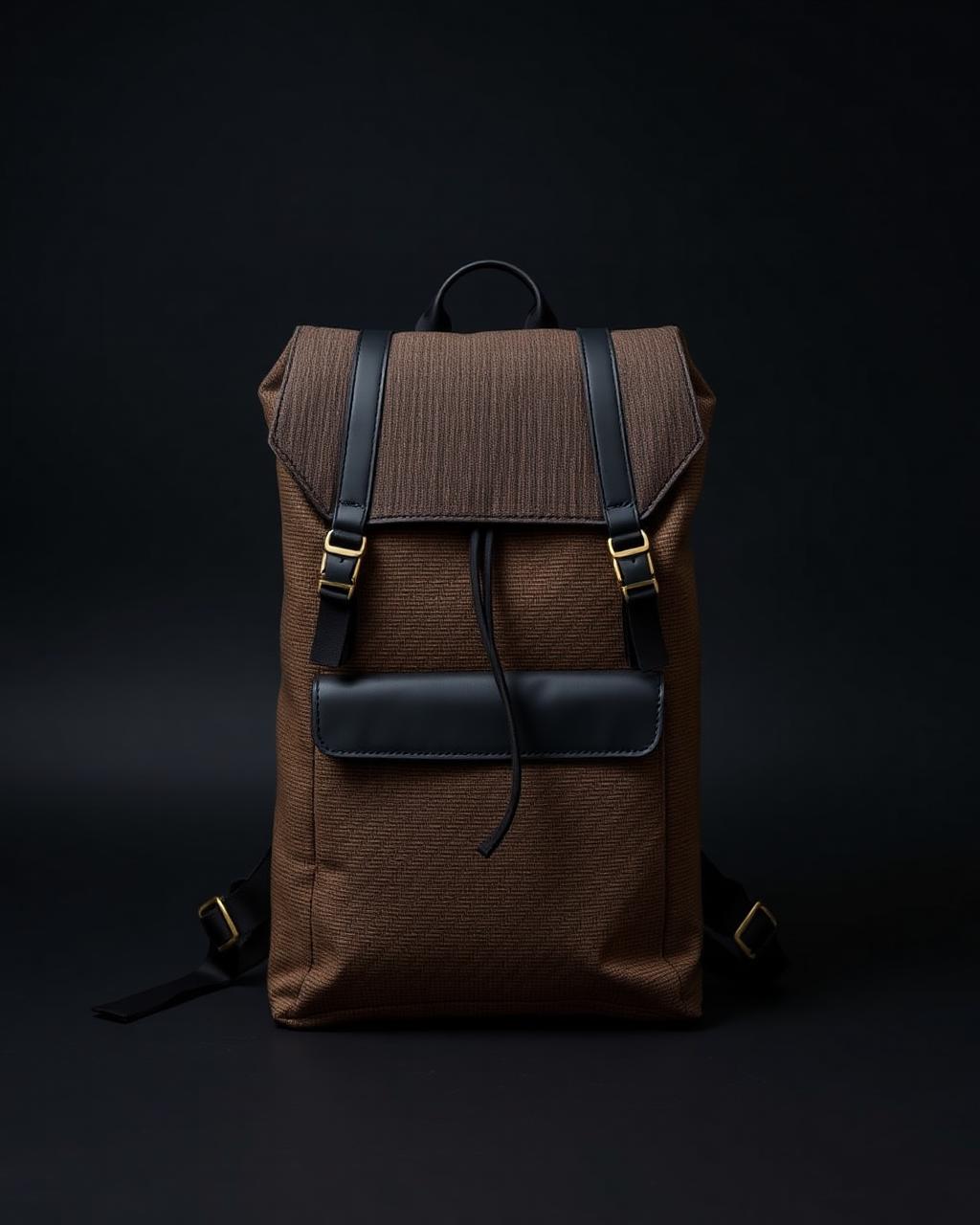
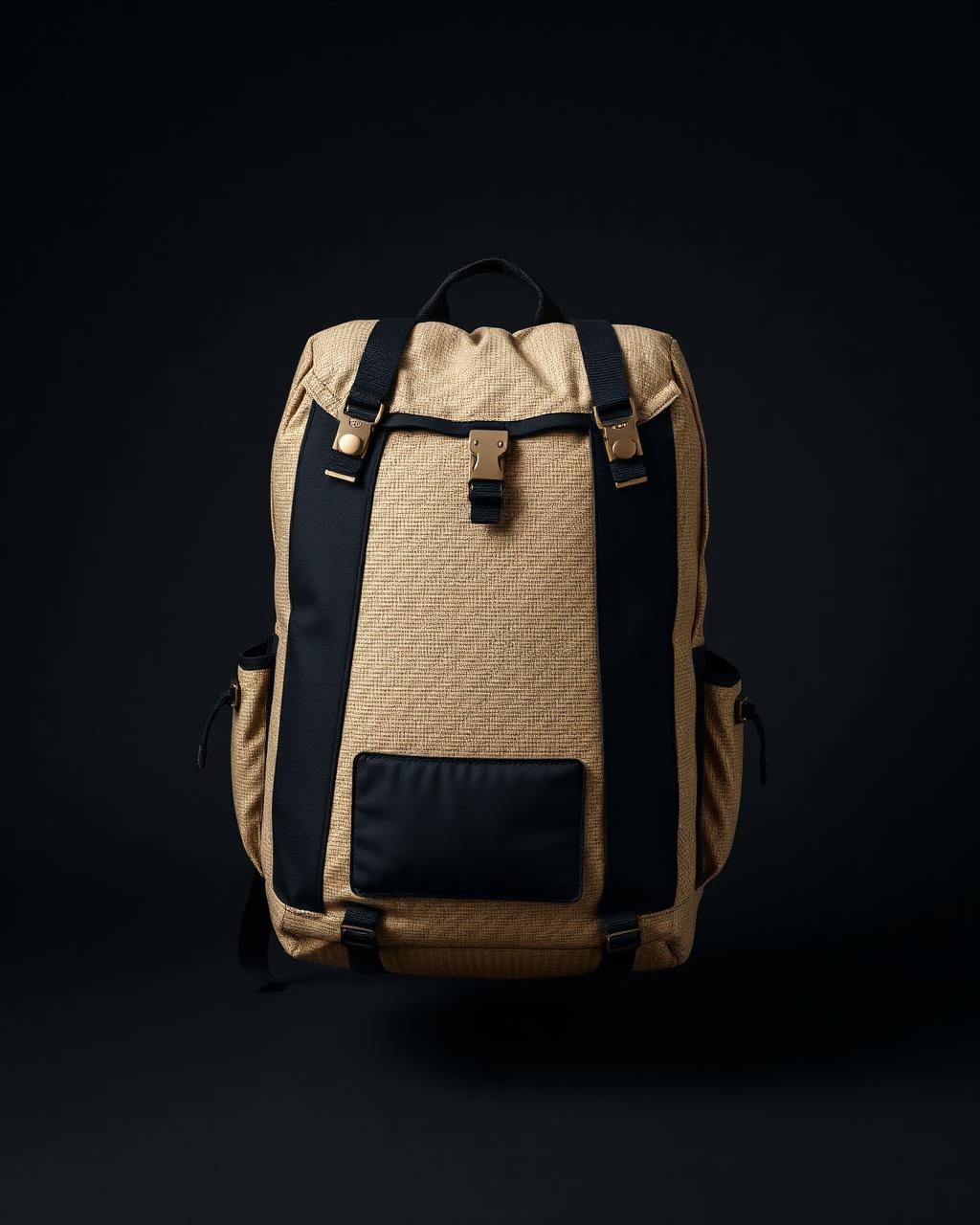
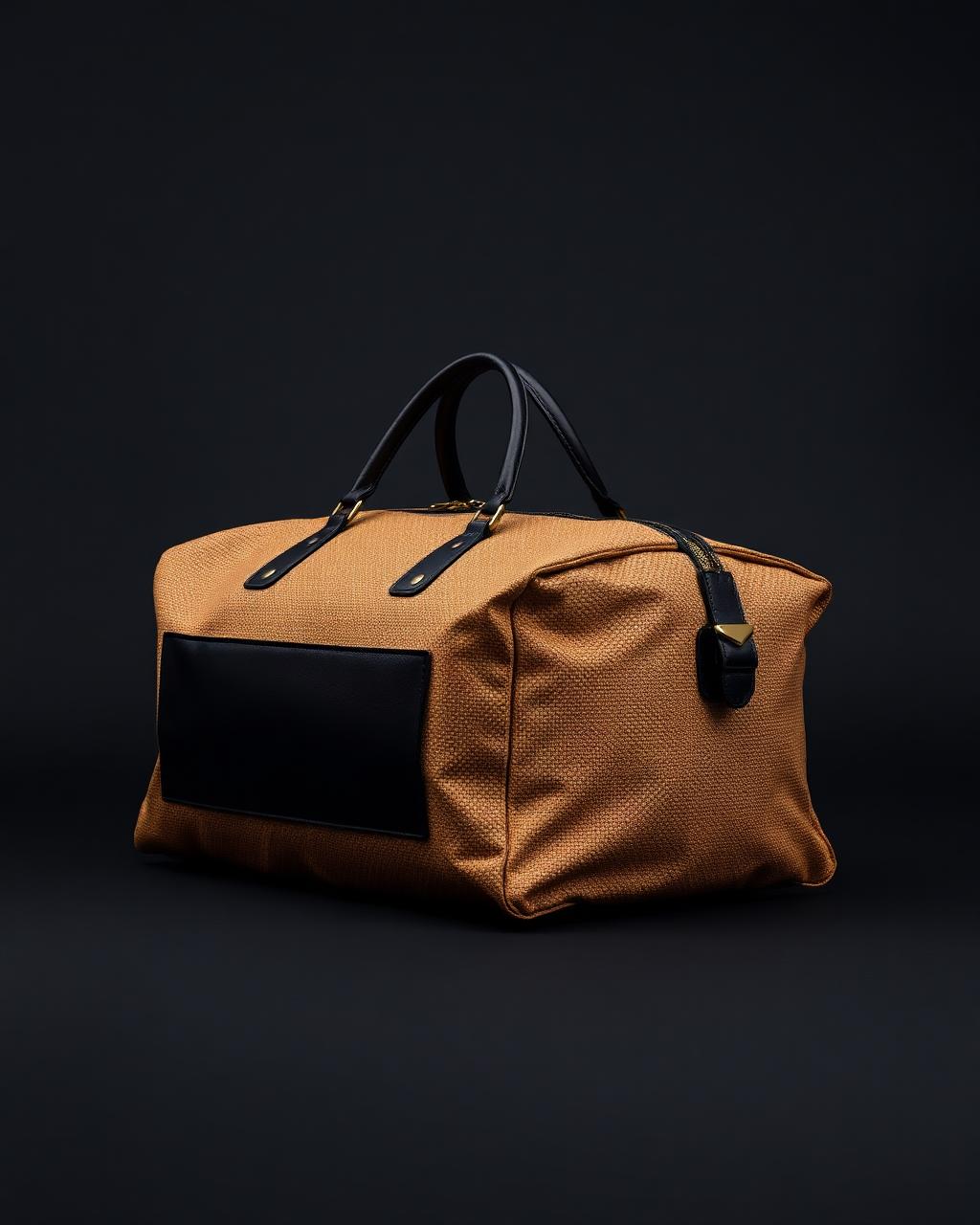
Concept · Abaca travel pack
TIBAG Pathfinder Origins 32L
Prototype · Not for sale
- Raw Abaca
- Charcoal Wash
Pinoy designed. Built for everywhere.
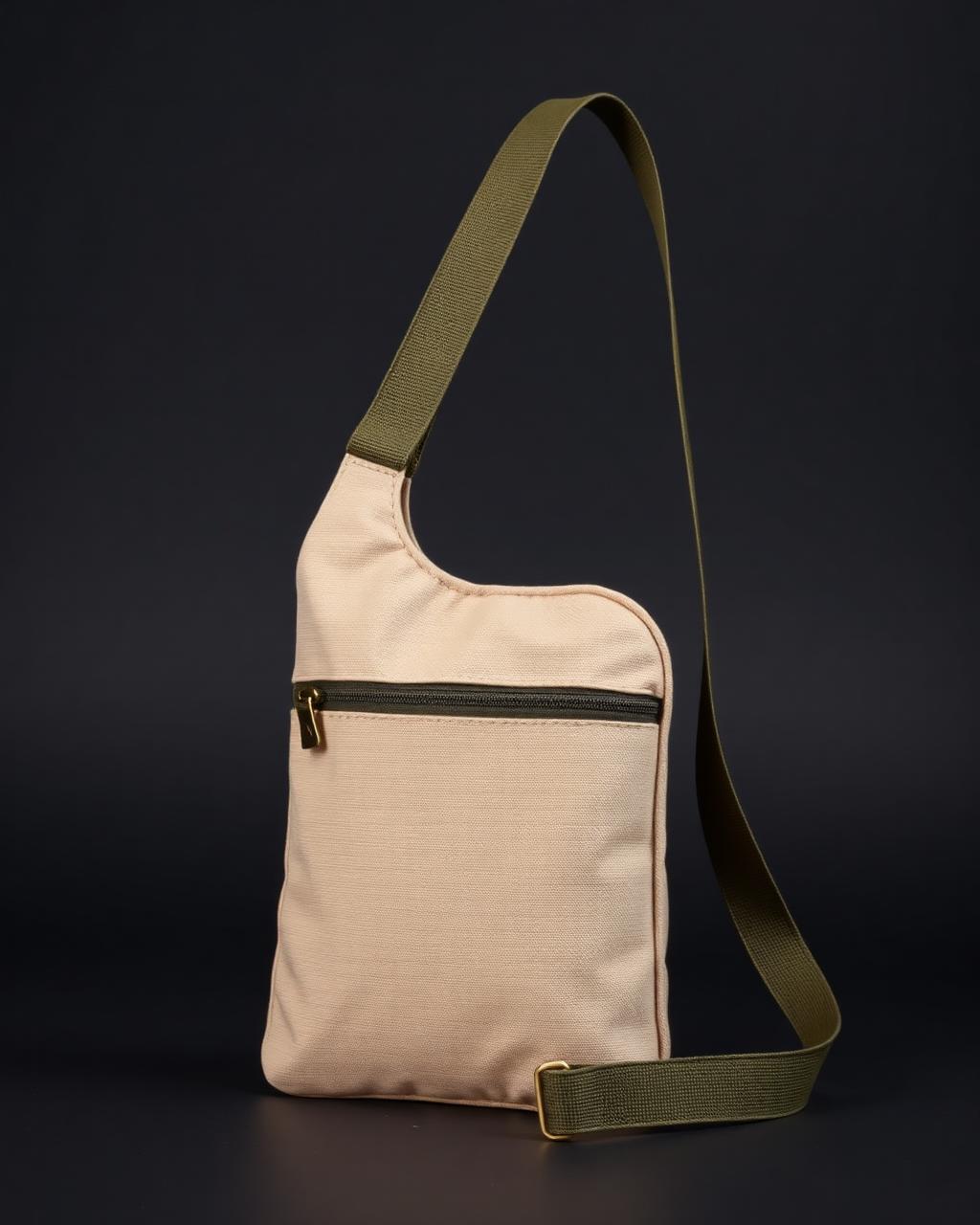
Concept · Abaca duffel
The heaviest load we've asked the fiber to hold.
Prototype · Not for sale
Physical samples exist and are being assessed in the workshop. The Weekender Origins 38L is part of the TIBAG Origins material study. There is no price, no stock and no release date — and we would rather say that than take a pre-order we can't honour.
Development updates only. This is a demo form — nothing is sent yet.
A 38L duffel built to load abaca panels beyond what a daypack ever will. Handle anchors and base seams are the whole experiment. A concept study, not a product.
Abaca · Natural Latex · Natural Fiber
Fabrics are selected for humidity, salt air and hard daily use in Philippine conditions.
Free nationwide shipping above ₱2,500. Metro Manila arrives in 1–3 days, provincial addresses in 3–7 days. Unused gear can be returned within 30 days.
Covered by a 1-year limited warranty against manufacturing and hardware defects. Repairs are handled at our Manila workshop.
Spot clean with mild soap and cool water. Air dry away from direct sun. Do not machine wash or tumble dry — it breaks down the water-repellent finish.
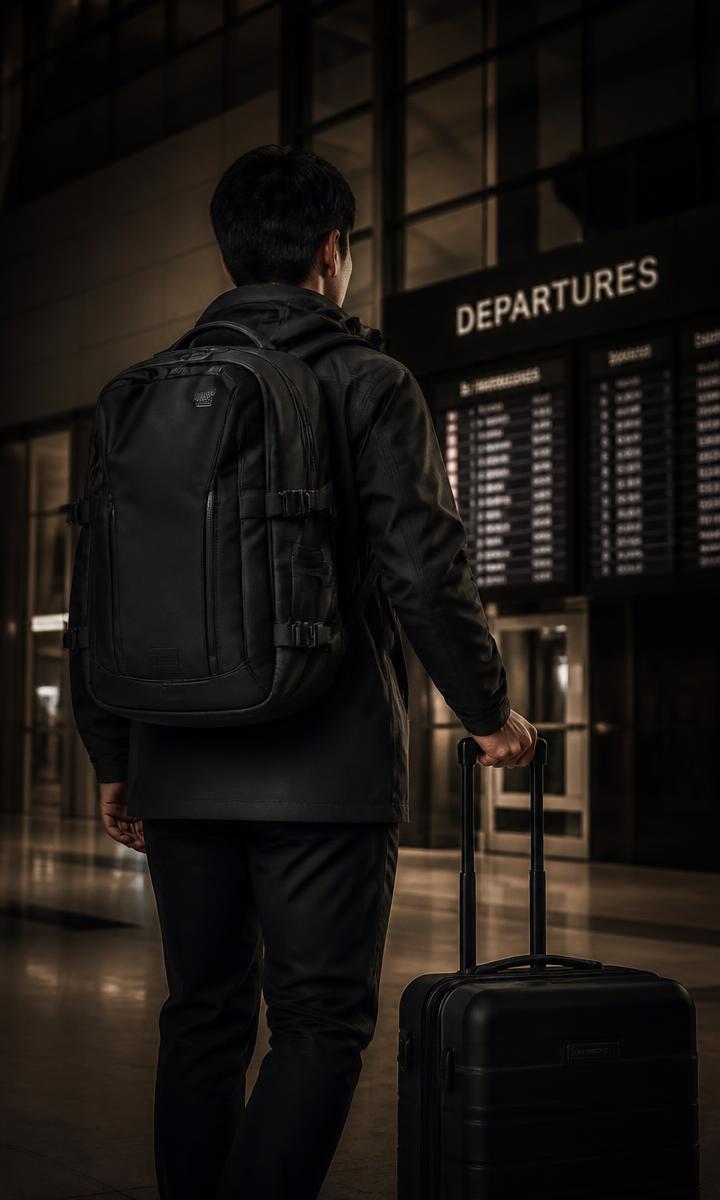
Built for
From terminal queues to trailheads and back to the office on Monday — the Weekender Origins 38L is made for the routes that don't run in a straight line.
Laptop protection
The padded sleeve hangs above the base panel so a dropped bag never lands on your device. Built into every pack that carries tech.
Hardware
Brass-tone hardware, bar-tacked stress points and heavy-gauge zippers, specified for humidity and salt air.
Anatomy
Material file
At 38L the panel is no longer the thing carrying the weight — the webbing is. This build exists to prove the abaca shell can be a skin over a load path rather than the load path itself, which is the most likely route to a producible bag.
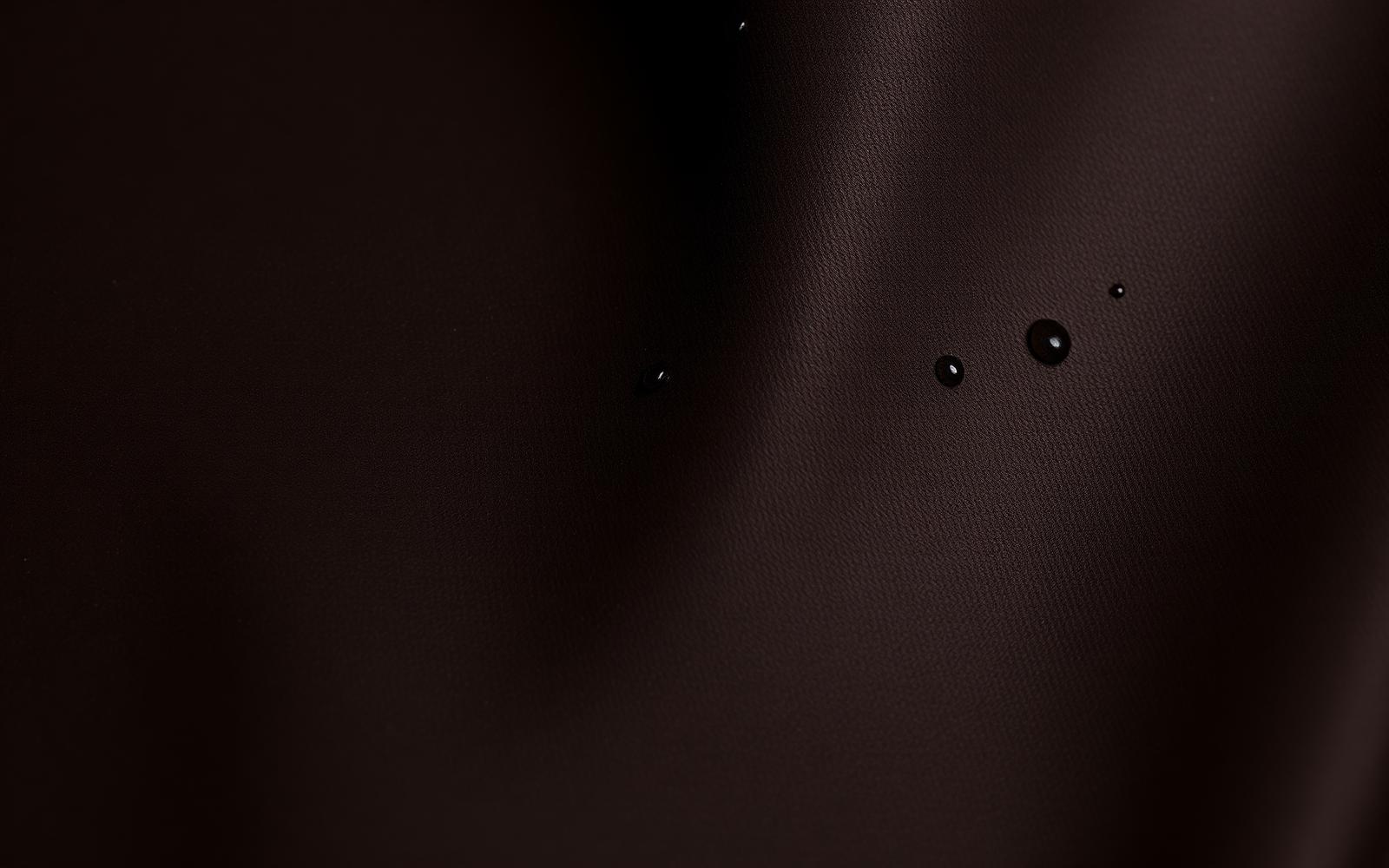
Natural latex face
Weather
Thin coating on the outer face. Sheds rain while keeping the panel flexible.
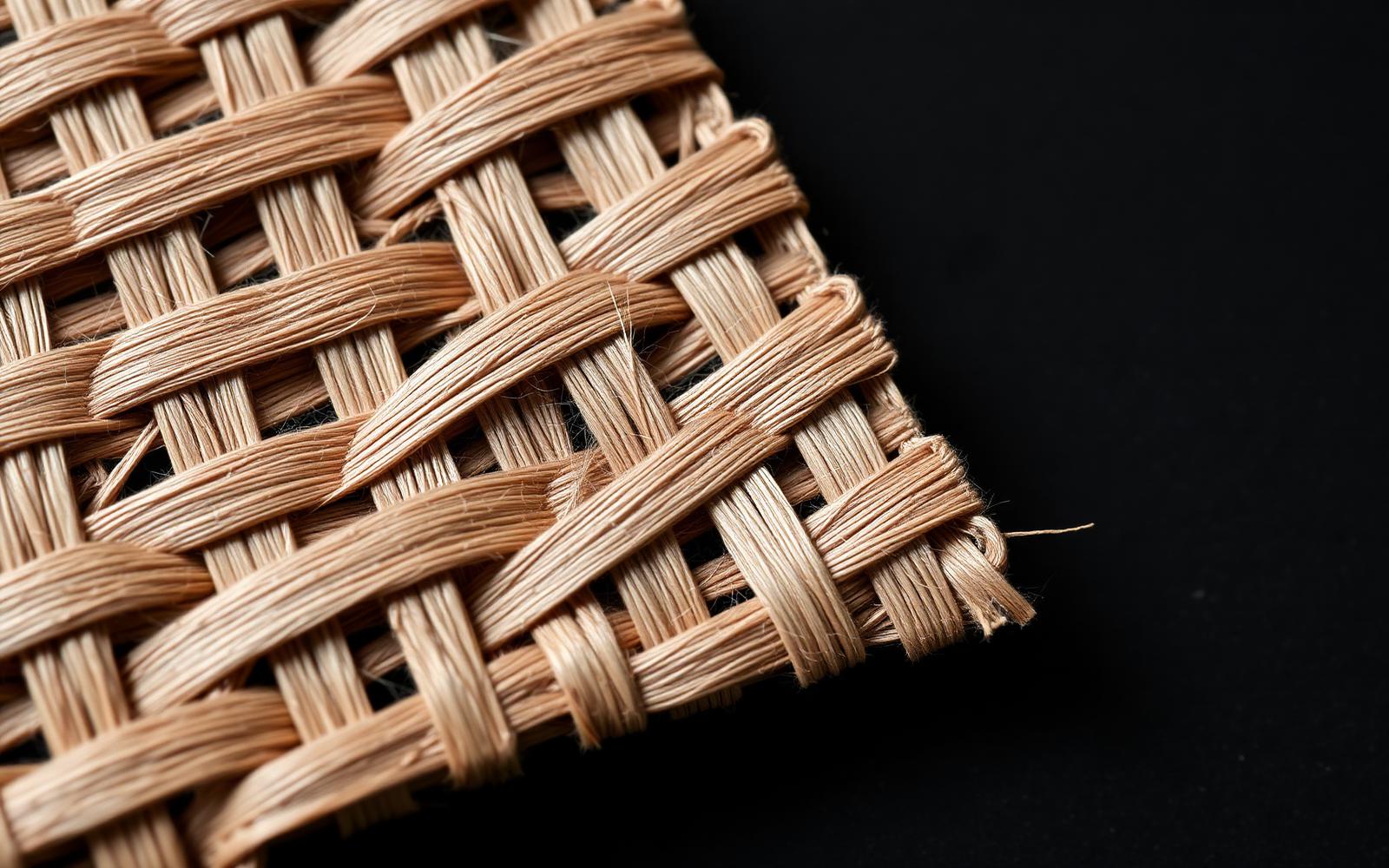
Abaca plain weave
Structure
Load-bearing shell. Provides tensile strength and standing body without a frame sheet.
Recycled backing scrim
Stability
Stops the weave racking out of square under uneven load.
Reinforced synthetic base
Abrasion
The one part we have not solved in natural fiber. Named here rather than hidden.
Layers are listed outer face first. Bar heights are indicative of relative build-up only — they are not to scale.
Indicative shares by weight for the current prototype build. These will change before any production run.
Controlled degumming
Even coating uptake across the panel.
High-density weave
Fewer paths for water through the structure.
Natural latex coating
Flexible weather face without a bonded plastic film.
Heavy rain
Conditional
Coated panels shed rain in internal spray checks. Seams are not sealed.
Prolonged sun
Under assessment
UV ageing of the latex face is still being measured.
Sustained humidity
Under assessment
Closed-storage mould resistance is an open question.
Salt air
Strong
Abaca's marine-cordage history holds up here.
Mature abaca stalks are cut by hand. The plant regenerates from the same root system, so the plot is not replanted each cycle.
Bicol and Eastern Visayas
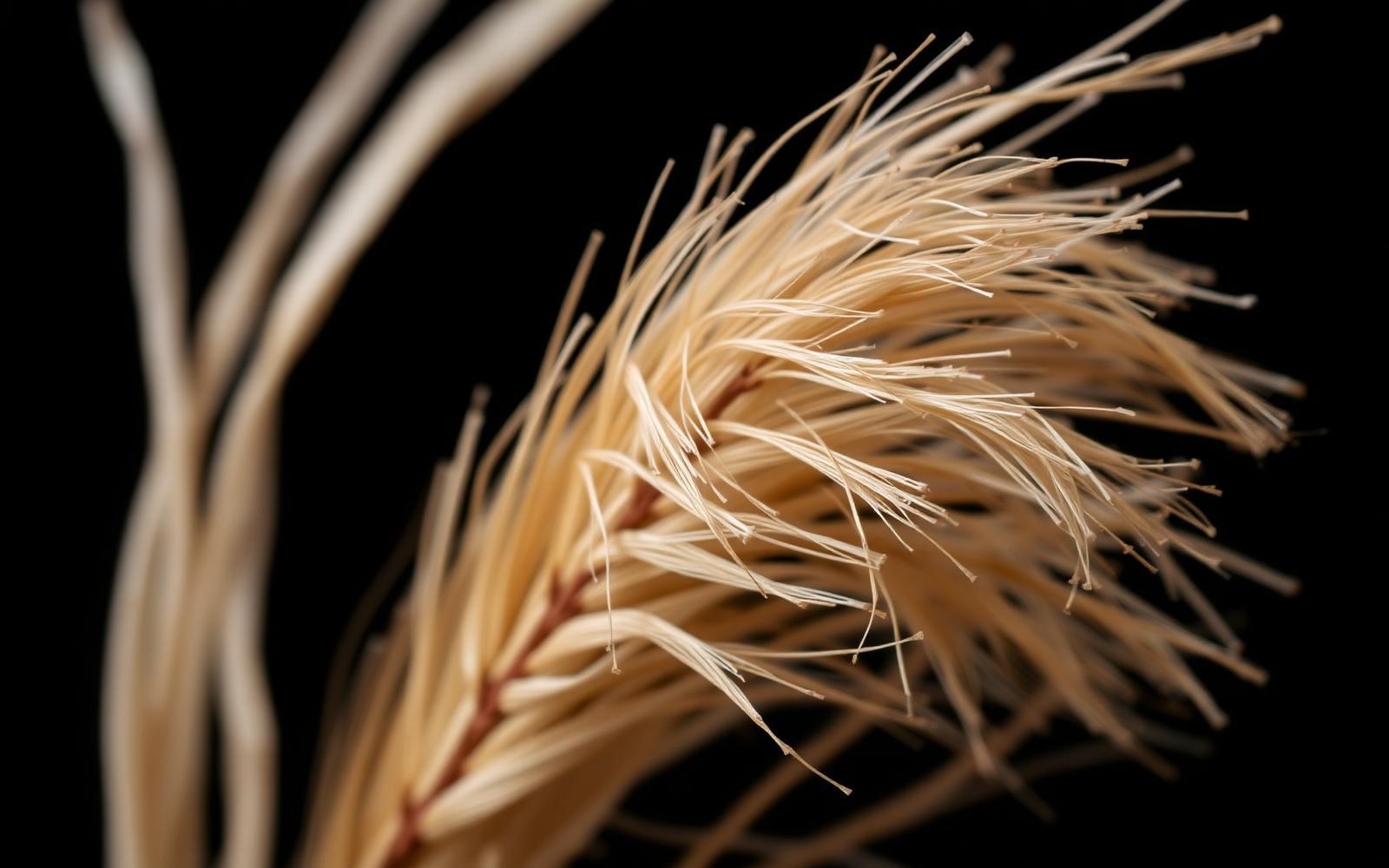
Leaf sheaths are stripped to expose the bast fiber. Grade is decided here, by the person holding the knife.
Graded fiber is spun into a yarn consistent enough to weave at a technical density rather than a craft density.
The yarn is woven into a tight plain-weave panel. Density, not decoration, is the target.
Panels are degummed, then coated with the natural latex compound and cured flat.
Finished panels are cut, bar-tacked and paired with reinforced synthetic bases in the TIBAG workshop.
Verified by us, first-hand.
Open questions, stated plainly.
How we will report on this.
Concept · Abaca travel pack
Prototype · Not for sale